Experts Building E-commerce websites
Over 25 years of experience, more than 5,000 satisfied customers
Interested in Latest e-commerce Trends?
Subscribe to receive latest e-commerce updates
Over 25 Years
Of Experience In Web Development
More Than 5,000 Projects
Developed, Designed And Published
Among World’s Top 100
Ecommerce Development Companies
ecommerce agency uk

Our clients transact over $300 Billion annually in Retail and Wholesale Sales
Trusted by 1000+ companies around the globe
Thanks! Your request is on its way.
Send one more message

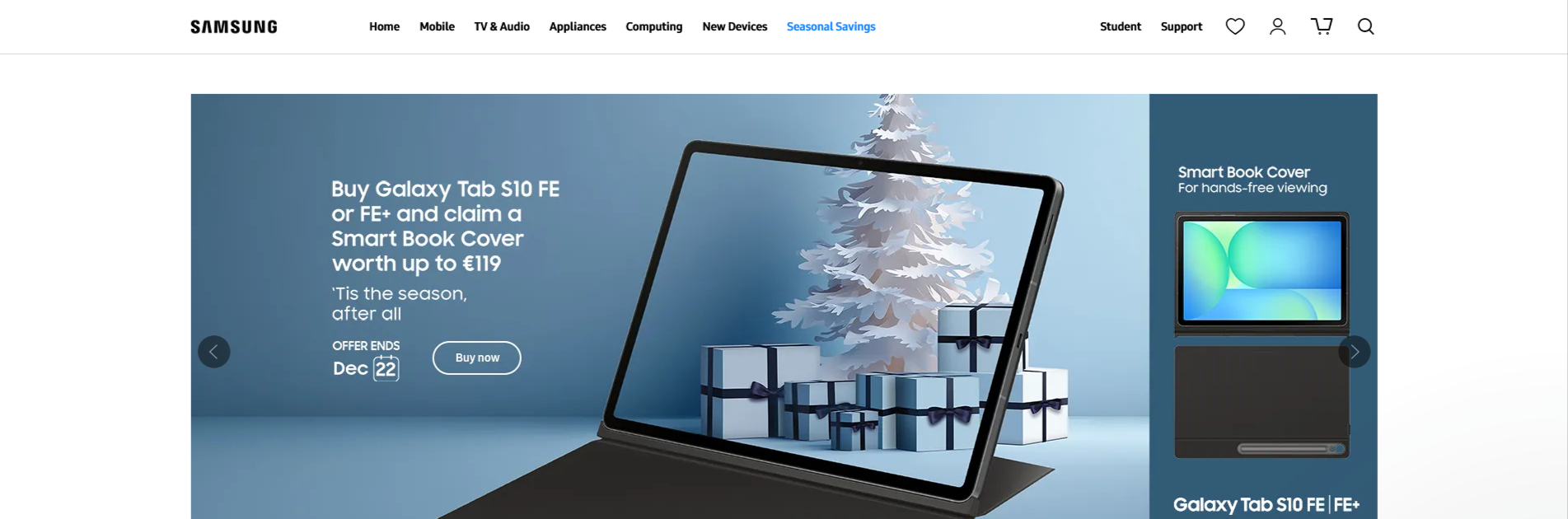
Samsung Ireland
Discover a wide range of cutting-edge smartphones, tablets, wearables and accessories.

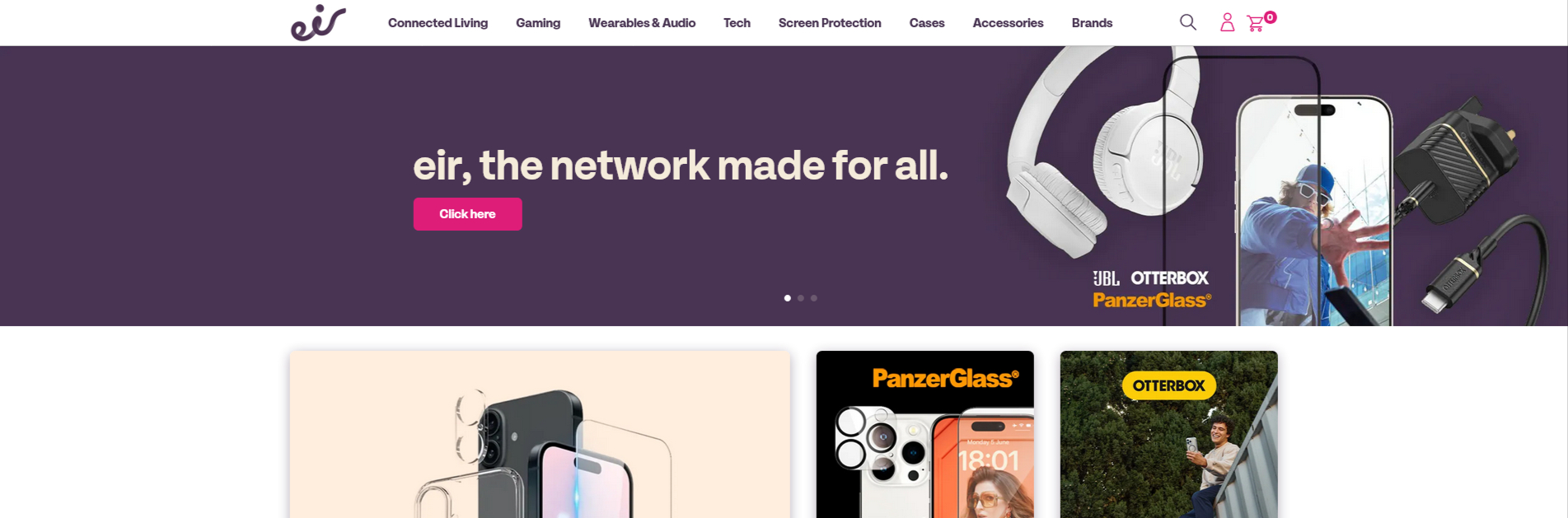
eir
Unlimited broadband, mobile & TV deals on No.1 Gigabit Fibre network in Ireland

Exertis | JAM
Bringing great brands and products to market. Music moves us, music makes the world go round – at Exertis | JAM we bring music to the world.

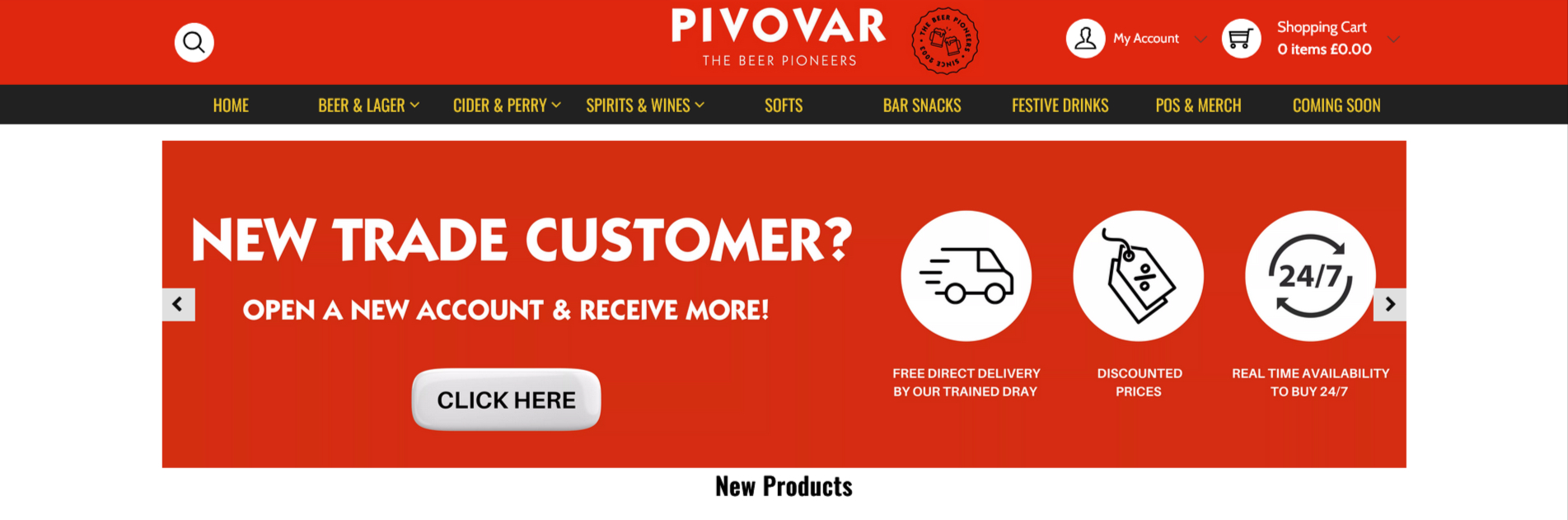
Pivovar
Pivovar - Great Drinks Online | The Beer Pioneers Since 2003

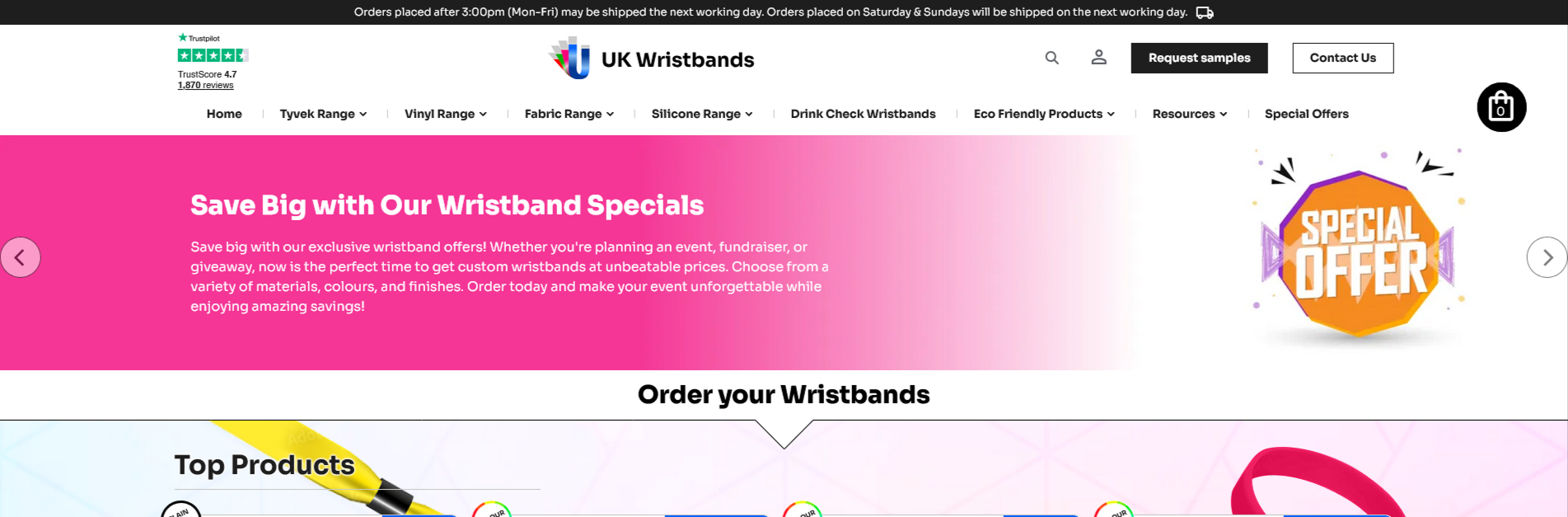
UK Wristbands
UK Wristbands : - Special Offers Tyvek Wristbands Vinyl / Plastic Wristbands Misc wristbands, tyvek wristbands, paper wristbands, custom wristbands
B2B Solutions
At Holbi, we specialise in delivering sophisticated B2B e-commerce solutions that empower businesses to thrive in a fast-evolving digital landscape.
AI Tools for Smarter E-Commerce
Automate product descriptions, boost SEO, and translate your store into multiple languages with Holbi’s powerful AI tools. Work faster, sell smarter.
White Labeling
Elevate your business offerings with our White Label Ecommerce platform for osCommerce.

Our development partners
Our Services
We craft visually stunning websites and cohesive brand identities that capture your vision and connect with your audience

Our Services
We craft visually stunning websites and cohesive brand identities that capture your vision and connect with your audience

Our Services
We craft visually stunning websites and cohesive brand identities that capture your vision and connect with your audience

Our Services
We craft visually stunning websites and cohesive brand identities that capture your vision and connect with your audience
Testimonials

United Kingdom
“Our web development team at Holbi has consistently delivered exceptional service, and working with them has been one of the most reliable parts of our business operations. From day one, their communication has been clear, responsive, and genuinely proactive. They take the time to fully understand our goals, challenges, and vision, and then translate that into practical, effective solutions that genuinely improve our website and overall customer experience.”
Daniel Smith
Manager


United Kingdom
I have worked with Holbi for over 20 years, and during that time I like to think the owners have become personal friends — a testament to their integrity, professionalism, and consistently outstanding work. Their web development expertise is second to none, supported by an exceptional team that always delivers to the highest standard.
James Knight
Business Development Management, Genus Marine & Leisure Group


United Kingdom
We've been working with Holbi for 4 years and they have been able to develop a bespoke website setup that works for us. They are responsive and quick to resolve issues. Our requirements can sometimes be unique and they have been able to accommodate for the bespoke developments we have required. We look forward to continue working with Holbi.
Jatinder Singh
CEO, Drinks Direct


United Kingdom
We have a long relationship working with Holbi now across our group of companies and we've worked together over the years to launch (and relaunch) a number of our company websites. They have always been extremely flexible in accommodating our web project requirements, irrespective of time or budget constraints we've had to work to.
We've found we can always rely on their technical expertise to fulfil very niche or bespoke requirements, we've put some very unique briefs to them in the past and they've always managed to find a solution.
Jodie Tipper
Senior Marketing Executive - Xeretec Group


United States
I have been working with the Holbi group for 15+ years. Their work is outstanding in every aspect. From programmming to web design, they do it all for us and I would never even consider using another company. Our latest ecommerce website project has exceeded my expectations once again. Thank you Holbi!
Therese Petruzzelli
Director, Enterprise Sales


Malta
Marina and the team took time to listen to our brief and all the requirements we had. Seeing the ideas come to life as a live website when we launched was fantastic. It was a pleasure to work with Holbi on our e-commerce site and we are delighted with the end result.
Daniel
Sales Director, Wristbands Europe Ltd

Malta
“I worked with Holbi Group on creating a website for my business, and I’m very satisfied with the result and the entire process. They are an easy-going team and a pleasure to work with. They truly hear and understand the client’s needs and vision, and also offer creative and interesting solutions based on their experience. The work was done with great professionalism — the team is skilled, reliable, and very professional. I highly recommend Holbi Group for anyone looking for a professional and creative web development partner. Thank you for a great job!”
Iana Stserbakova
Owner


Netherlands
“We have been working with Holbi since 2010, and over the past 15 years we have completed several major website iterations together. Each project has reinforced our confidence that we chose the right development partner. Holbi’s team are true professionals—highly skilled, responsive, and committed to delivering quality. They don’t just execute tasks; they work closely with us to understand our goals, advise on best practices, and help shape the long-term development of our online platform. Their ability to balance technical expertise with a business-focused mindset has been invaluable.”
Eli Huttner
CEO, Double Alpha Academy

Canada
“Holbi has been an exceptional digital partner to JAM for over four years, supporting the successful development of our B2B and B2C websites. Vlad and the team consistently go above and beyond in delivering results, taking the time to truly understand our business and its complexities. Their technical expertise, reliability, and collaborative approach make Holbi a trusted long-term partner.”
Melissa Bourdon
Director, Digital
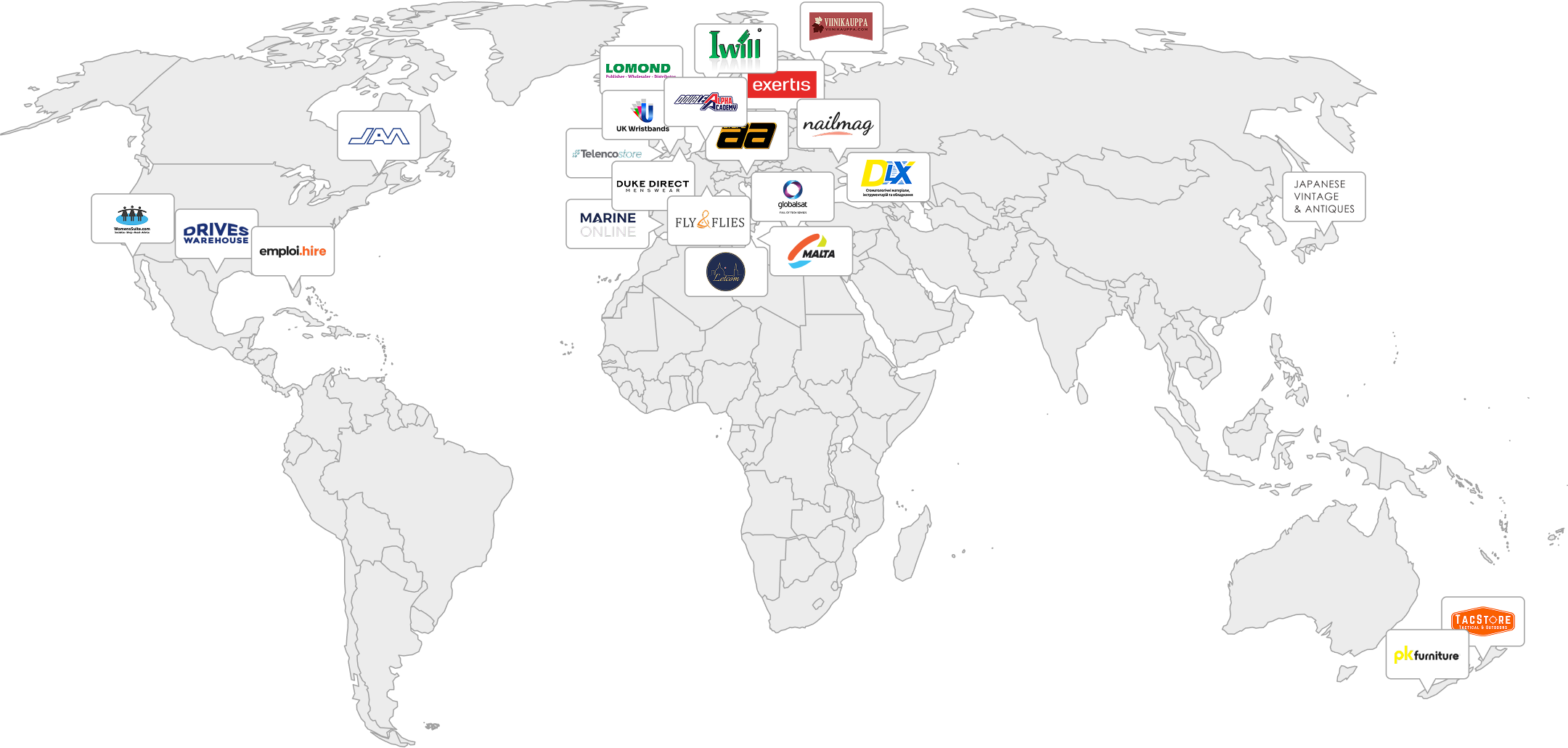
Companies all over the world trust Holbi
Companies worldwide trust Holbi for its reliable solutions and expertise in driving business growth and success. See for yourself.
E-commerce Tips
Recent posts
post item
How to Increase Conversion Rates on Your Online Store
May 01, 2026How to Increase Conversion Rates on Your Online Store In today’s competitive digital marketplace, driving traffic to your website is only half the battle. The real challenge lies in turning visitors into paying customers. That’s why ecommerce conversion rate optimization has become one of the most important priorities for online retailers in 2026. Businesses are investing heavily in advertising, SEO, and social media marketing, but without a strong conversion strategy, much of that traffic is wasted. Even small improvements in your ecommerce CRO strategy can lead to substantial increases in revenue, customer retention, and long-term business growth. Modern consumers expect fast-loading websites, seamless mobile experiences, personalized shopping journeys, and frictionless checkouts. If your online store fails to meet these expectations, potential customers will quickly abandon their carts and purchase from competitors instead. As a leading ecommerce development agency, Holbi UK helps businesses implement advanced conversion rate optimization ecommerce strategies designed to improve customer experiences and maximize online sales. In this guide, we explore the most effective ways to increase ecommerce conversion rate performance and build a high-converting online store. What Is Ecommerce Conversion Rate Optimization? Ecommerce conversion rate optimization refers to the process of improving your website to increase the percentage of visitors who complete a desired action — typically making a purchase. Successful ecommerce CRO involves understanding customer behavior, reducing friction in the buying process, and creating a seamless shopping experience that encourages users to convert. This includes optimizing: Website speed Product pages Checkout flows Mobile usability Customer trust signals Calls-to-action Navigation Personalization User experience The goal of online store optimization is not simply to attract more visitors but to maximize the value of the traffic you already receive. Improve Website Speed to Increase Conversions One of the biggest factors affecting ecommerce website optimization is site speed. Modern consumers expect websites to load almost instantly, and even minor delays can significantly reduce conversion rates. Studies consistently show that slow-loading websites increase bounce rates and cart abandonment while negatively impacting SEO performance. Effective ecommerce page speed optimization strategies include: Compressing large images Using content delivery networks (CDNs) Optimizing code and scripts Implementing caching technologies Reducing unnecessary plugins Choosing scalable hosting infrastructure Fast-loading websites not only improve user experience but also increase customer trust and engagement. As specialists in scalable ecommerce platforms, Holbi UK develops high-performance online stores designed for speed, reliability, and conversion-focused performance. Optimize Your Mobile Shopping Experience Mobile commerce now dominates online shopping traffic, making mobile ecommerce optimization essential for every ecommerce business. Despite the growth of mobile shopping, many businesses still struggle with poor mobile conversion rates due to complicated navigation, slow page speeds, and frustrating checkout experiences. To improve mobile ecommerce conversions , businesses should focus on: Responsive design Mobile-first development Streamlined navigation Fast-loading pages Simplified forms Mobile wallet integration Touch-friendly interfaces One-click purchasing Customers expect seamless shopping experiences across all devices. A poor mobile experience can quickly damage trust and lead to lost sales. By implementing advanced ecommerce UX optimization strategies, Holbi UK helps businesses create mobile shopping experiences that increase engagement and drive conversions. Simplify the Checkout Process One of the most critical aspects of ecommerce checkout optimization is reducing friction during the final stages of the customer journey. Complicated checkout processes remain one of the leading causes of abandoned carts. Customers want fast, secure, and convenient payment experiences without unnecessary distractions or obstacles. Businesses looking to optimize ecommerce checkout process performance should consider: Guest checkout functionality One-click checkout Auto-filled forms Multiple payment options Transparent shipping costs Mobile-friendly payment systems Simplified checkout steps Secure payment gateways The rise of zero-friction checkout experiences is reshaping ecommerce in 2026. Consumers increasingly expect instant purchasing experiences similar to those offered by major ecommerce platforms. Holbi UK develops custom checkout solutions focused on speed, usability, and conversion optimization to help businesses reduce drop-offs and improve sales performance. Reduce Cart Abandonment and Recover Lost Revenue One of the biggest challenges in ecommerce is reduce cart abandonment strategies. Millions of pounds in potential revenue are lost every year when customers leave online stores without completing their purchases. There are many reasons for shopping cart abandonment, including: Unexpected costs Slow checkout processes Limited payment options Poor mobile usability Security concerns Complicated registration requirements Effective shopping cart abandonment solutions include: Automated cart recovery emails Exit-intent popups Retargeting campaigns Transparent pricing Faster checkout systems Personalized incentives Trust-building design Advanced ecommerce businesses are also using AI-driven behavioral analysis to identify customer friction points and optimize the buying journey in real time. As an experienced ecommerce development agency, Holbi UK helps businesses implement intelligent cart recovery systems that improve customer retention and increase online sales conversions. Use AI Personalization to Improve User Experience Artificial intelligence is transforming the future of ecommerce customer experience optimization . Modern consumers expect highly personalized shopping experiences tailored to their interests, browsing history, and purchasing behavior. Businesses that fail to personalize risk losing customers to more intelligent competitors. Leading AI personalization ecommerce strategies include: Dynamic product recommendations Personalized search results AI-powered merchandising Behavioral targeting Predictive customer segmentation Personalized promotions Intelligent email automation The rise of predictive ecommerce personalization allows businesses to anticipate customer needs before users even search for products. AI-driven systems can analyze vast amounts of customer data in real time to deliver highly relevant shopping experiences that increase conversions and customer loyalty. Holbi UK helps businesses integrate advanced AI solutions into ecommerce ecosystems to improve customer engagement and maximize conversion opportunities. Improve Product Pages for Higher Conversions Your product pages are among the most important elements of ecommerce product page optimization . Customers make purchasing decisions based on the quality, clarity, and trustworthiness of your product information. Poorly designed product pages can significantly reduce conversion rates. To improve online store conversions , businesses should optimize: Product descriptions High-quality images Video demonstrations Product specifications Customer reviews Calls-to-action Product recommendations Trust badges Delivery information Effective product pages should answer customer questions quickly while reducing uncertainty and building trust. Modern ecommerce businesses are also increasingly using interactive content, 3D visualization, and AI-generated recommendations to create more engaging shopping experiences. By combining design expertise with data-driven optimization, Holbi UK creates conversion-focused ecommerce experiences tailored to customer behavior. Build Trust with Social Proof and Trust Signals Trust plays a major role in ecommerce purchasing decisions. Customers are more likely to buy from online stores that appear credible, secure, and transparent. Important ecommerce trust signals include: Customer reviews Testimonials Secure payment icons SSL certificates Transparent return policies Verified ratings Social proof notifications User-generated content Strong trust signals reduce customer anxiety and increase confidence during the buying process. In addition to visual trust elements, businesses should also focus on delivering consistent customer experiences across all touchpoints. As experts in ecommerce customer experience optimization , Holbi UK helps businesses design trustworthy digital storefronts that improve customer confidence and increase sales performance. Use A/B Testing to Continuously Improve CRO Successful conversion rate optimization strategies are built on continuous testing and improvement. Ecommerce A/B testing allows businesses to compare different versions of webpages, layouts, calls-to-action, and checkout experiences to determine what drives the best results. Businesses can test: CTA button colors and placement Headlines Product page layouts Checkout flows Navigation menus Mobile interfaces Promotional messaging Product recommendations Data-driven testing removes guesswork and enables businesses to make informed optimization decisions based on real customer behavior. At Holbi UK , CRO specialists use advanced analytics and testing methodologies to help businesses identify opportunities for continuous improvement and revenue growth. Optimize the Entire Ecommerce Sales Funnel High-performing ecommerce brands understand that conversions are influenced by every stage of the customer journey. Effective ecommerce sales funnel optimization involves improving: Traffic acquisition Landing page experiences Product discovery User engagement Checkout completion Post-purchase retention Businesses should analyze customer behavior at every stage of the funnel to identify friction points and opportunities for optimization. Modern conversion funnel strategies increasingly rely on AI-driven analytics, automation, and personalization to deliver more intelligent shopping experiences. As digital commerce continues evolving, businesses need flexible ecommerce infrastructures capable of adapting to changing customer expectations. Holbi UK provides scalable ecommerce development solutions that support long-term business growth and customer engagement. Improve Customer Retention and Lifetime Value Increasing conversions is important, but long-term ecommerce success also depends on customer retention. Returning customers typically spend more, convert faster, and generate higher lifetime value than first-time buyers. Effective retention strategies include: Loyalty programs Personalized email campaigns Subscription models Post-purchase engagement Customer rewards AI-driven remarketing Omnichannel communication Businesses focusing on both acquisition and retention create stronger, more sustainable ecommerce growth strategies. By combining online store optimization with customer retention initiatives, Holbi UK helps businesses build loyal customer bases and increase recurring revenue. The Future of Ecommerce CRO in 2026 The future of ecommerce conversion rate optimization will be increasingly shaped by: Artificial intelligence Predictive personalization Conversational commerce Voice shopping Mobile-first experiences Immersive shopping technology Behavioral analytics Automation Businesses that embrace these technologies early will gain a major competitive advantage in the evolving ecommerce landscape. Consumers now expect highly personalized, fast, and frictionless shopping journeys. Brands that fail to adapt risk losing customers to more agile competitors. Why Businesses Choose Holbi UK As a leading ecommerce development agency, Holbi UK helps businesses implement advanced ecommerce CRO strategies designed to improve performance, customer engagement, and online sales. From mobile ecommerce optimization and ecommerce checkout optimization to AI personalization ecommerce solutions and scalable ecommerce infrastructure, Holbi UK delivers custom ecommerce experiences built for growth. Whether you want to reduce cart abandonment, improve mobile conversions, optimize product pages, or implement AI-driven personalization, Holbi UK provides the technical expertise and strategic insight needed to maximize ecommerce success. Final Thoughts Improving your ecommerce conversion rate is one of the most effective ways to increase revenue without increasing marketing spend. By investing in ecommerce conversion rate optimization , businesses can create faster, smarter, and more customer-focused shopping experiences that drive long-term growth. From ecommerce UX optimization and shopping cart abandonment solutions to predictive ecommerce personalization and ecommerce checkout optimization , the future of ecommerce CRO is increasingly driven by intelligent technology and customer-centric design. With the support of an experienced ecommerce development partner like Holbi UK , businesses can confidently build high-performing online stores designed to increase conversions, improve customer satisfaction, and stay competitive in the rapidly evolving world of digital commerce. ...
post item
How to Increase Conversion Rates on Your Online Store
May 01, 2026How to Increase Conversion Rates on Your Online Store Published by Holbi UK | eCommerce Development Agency Getting traffic to your online store is only half the battle. The real challenge — and the real opportunity — is turning those visitors into paying customers. If you're watching sessions roll in but sales aren't keeping pace, you have a conversion rate problem. And the good news is, it's almost always fixable. At Holbi UK , we work with eCommerce businesses of all sizes to diagnose exactly why visitors aren't buying and build the technical and strategic solutions that change that. In this guide, we walk through the most impactful, proven ways to increase conversion rates on your online store in 2026 — covering everything from checkout optimisation and mobile UX to AI personalisation and social proof . Let's start with the numbers. What Is a Good eCommerce Conversion Rate in 2026? Before you can improve, you need to know what you're benchmarking against. The global average eCommerce conversion rate in 2026 sits between 2.5% and 3% for established stores. But averages can mislead. Conversion rate by industry varies significantly — food and beverage leads at 4.5–6%, beauty and cosmetics averages 3–4%, apparel sits at 2–3%, and luxury and jewellery trails at under 1.2%. What matters most is not the global average but your specific segment, traffic mix, and device split. A store with mostly new paid traffic will naturally convert lower than one fuelled by returning customers and email lists — and that's expected. The key diagnostic question is: why are visitors not buying from your online store? Nine times out of ten, the answer lies in friction — friction in the checkout, friction on the product page, friction on mobile, or a lack of trust. Here's how to systematically remove it. 1. Optimise Your Checkout to Reduce Cart Abandonment Cart abandonment is the single biggest revenue leak in eCommerce. According to industry data, eCommerce stores lose an estimated $18 billion annually due to abandoned carts. The most common reasons? Surprise shipping costs, being forced to create an account, and a long or confusing checkout process. Checkout optimisation is where the fastest conversion wins are made. At Holbi UK , we've seen checkout improvements deliver more uplift than almost any other change on a site. Here's what works: Reduce checkout steps. Every additional page, form field, or decision point increases the chance of drop-off. Strip your checkout back to the absolute essentials — shipping details and payment. Remove anything that isn't strictly necessary. Enable guest checkout. Forcing account creation before purchase is one of the most reliable ways to lose a sale. Always offer a guest checkout option. You can invite registration after the order is confirmed. Add one-click checkout. For returning customers, one-click checkout removes virtually all friction. Shopify's Shop Pay, Apple Pay, and Google Pay are now expected by a significant portion of shoppers — not having them is a conversion penalty. Use exit intent popups. When a user moves to leave your checkout page, a well-timed exit intent popup offering free shipping or a small discount can recover a meaningful percentage of those sessions. Introduce abandoned cart recovery flows. Automated email sequences that re-engage shoppers who left items behind are one of the highest-ROI tools in eCommerce. Personalised recovery emails — ideally sent within one hour of abandonment — consistently bring back 5–15% of lost carts. 2. Build a Mobile-First Shopping Experience Mobile commerce now accounts for the majority of global eCommerce traffic. Smartphones drive approximately 65–75% of visits to online stores, yet mobile conversion rates still lag behind desktop. That gap represents a massive opportunity — and closing it is one of the most powerful levers available to any eCommerce business. Mobile-first design in 2026 is not just about making your site responsive. It means rethinking the entire shopping journey for someone navigating with their thumb on a small screen. Ask yourself: can a user find a product, read its details, and complete a purchase in under two minutes on their phone? Page speed is critical here. Sites loading in one second convert at over 3%, while those taking four seconds drop to under 1%. A 0.1-second improvement in load time can increase retail conversion rates by over 8%. Quick wins include compressing images into WebP format , enabling lazy loading, and eliminating render-blocking scripts. Thumb-friendly UX matters more than most developers give it credit for. Large tap targets, sticky CTA buttons on product pages, simple navigation menus, and forms with autofill support all reduce the micro-friction that causes mobile users to abandon. Core Web Vitals — Google's performance metrics covering Largest Contentful Paint, Cumulative Layout Shift, and Interaction to Next Paint — directly affect both your search rankings and your conversion rate. Holbi UK audits and optimises Core Web Vitals as a standard part of every site build and performance engagement. 3. Optimise Your Product Pages for Conversion Your product page is where purchase decisions are made. It needs to answer every question a shopper might have before they have to ask it — and it needs to do that fast, clearly, and compellingly. Product page optimisation covers several interconnected elements: High-quality imagery and video. Shoppers can't touch or try your products. Great photography — multiple angles, lifestyle shots, zoom capability — and product video content bridge that gap. Demo videos that show the product in real use, with the "aha moment" within the first five seconds, are proven to lift conversions meaningfully. Product descriptions that convert. Don't just list specifications. Write copy that connects features to the real-life benefits a customer actually cares about. Use your primary keyword naturally in the title. Keep paragraphs short, use scannable formatting, and anticipate objections. Reviews and ratings. Products with 50 or more reviews convert 4.6 times better than those without. Customer reviews and ratings are among the most powerful conversion tools on any product page — they provide the social proof that new visitors need before they'll trust you with their money. Product schema markup. Implementing structured data (schema markup) on your product pages improves how they appear in Google search results — with star ratings, prices, and availability shown directly in the SERP. Pages with rich results achieve significantly higher click-through rates, bringing in better-qualified traffic that's more likely to convert. 4. Establish Trust Signals Throughout Your Store First-time visitors don't know you. Before they hand over their payment details, they need to believe you're legitimate, secure, and reliable. Trust signals are the design and content elements that communicate exactly that — and they have a direct, measurable impact on conversion rate optimisation . Trust badges and security indicators. SSL certificates, payment security badges (Visa Secure, Mastercard, PayPal), and recognised payment logos in your checkout reduce perceived risk. Displaying these prominently — particularly on checkout pages — reassures users at the moment they're most hesitant. Clear returns and refund policies. Ambiguity around returns is a major conversion killer. A straightforward, generous, and clearly communicated returns policy removes one of the most common reasons people hesitate to buy from an unfamiliar store. User-generated content (UGC). Brands that integrate UGC — real customer photos, videos, and testimonials — see conversion rates up to six times higher than those without it. UGC is authentic, relatable, and significantly more persuasive than branded content. Urgency and scarcity. Real low stock warnings, limited-time offers, and countdown timers work — but only when they're genuine. Fake scarcity can permanently damage trust. Used honestly, these psychological triggers activate the principle of loss aversion and encourage timely decisions. 5. Diversify Your Payment Options In 2026, payment flexibility is a conversion driver . Offering only card payments is leaving money on the table. Today's shoppers expect to pay with the method that's fastest and most familiar to them — and if your store doesn't offer it, your competitor's probably does. Buy Now Pay Later (BNPL) continues to be a significant driver of conversion, particularly for higher-ticket items. Integrating BNPL options like Klarna or Clearpay can reduce the perceived cost barrier and improve add-to-cart rates among price-sensitive shoppers. Digital wallets — Apple Pay, Google Pay, and Shop Pay — enable frictionless one-tap checkout on mobile. Brands using optimised mobile checkouts with digital wallets are pushing mobile conversion rates into the 3%+ range. Pre-filled promo codes and automatically applied discounts remove a common friction point. If a customer has to manually enter a discount code and it doesn't work, they leave. Automating this through your checkout removes the problem entirely. 6. Use AI and Personalisation to Lift Conversions AI-powered personalisation is one of the most significant shifts in eCommerce conversion rate optimisation in recent years — and in 2026 it's accessible to businesses well beyond enterprise scale. AI product recommendations — dynamically surfaced based on browsing behaviour, purchase history, and engagement patterns — are proven to increase average order value and session depth. The principle is simple: show each visitor the products most likely to be relevant to them, rather than the same default grid for everyone. Hyper-personalisation takes this further: tailoring homepage banners, category page ordering, email timing, and promotional offers to individual segments in real time. When combined with a customer data platform (CDP) , this creates a measurably better experience that drives both first-time conversion and long-term loyalty. AI-powered site search is another high-impact area. Poor search is one of the most underestimated conversion killers in eCommerce. Shoppers who use site search convert at two to three times the rate of those who browse — but only if the search actually surfaces relevant results. AI-driven search understands intent, handles typos, and learns from behaviour to continuously improve. At Holbi UK , we implement AI recommendation engines, personalised search, and CDP integrations across Shopify Plus, Magento, WooCommerce, and BigCommerce stores — tailoring the solution to each client's platform and audience. 7. Test, Measure, and Iterate CRO for eCommerce is not a one-time project. It's an ongoing discipline of testing, learning, and improving. The stores that compound conversion rate gains over time are the ones that have built a systematic testing culture. A/B testing is the foundation. By running controlled experiments — testing two versions of a product page, a checkout flow, a CTA button, or a hero image — you generate real data about what works for your specific audience. Gut instinct is no substitute for statistical evidence. Heat map analysis tools like Hotjar and Microsoft Clarity show you where users click, how far they scroll, and where they drop off. This qualitative data is invaluable for identifying friction points that analytics alone won't surface. Conversion funnel analysis in Google Analytics lets you see exactly where in the purchase journey visitors are leaving — whether that's the product page, the cart, the checkout, or the payment step. Each drop-off point has different causes and different solutions. User session recordings add another layer: watching real users interact with your store reveals usability issues, confusing navigation, and broken elements that you'd never notice from aggregate data. The cycle is: measure, hypothesise, test, learn, repeat. Holbi UK offers ongoing CRO retainers that handle this cycle end-to-end — from analytics audit through to implementation and statistical reporting. 8. Get Your Shipping and Fulfilment Messaging Right Shipping is a surprisingly powerful conversion variable. According to research, surprise shipping costs are cited by over 30% of shoppers as their primary reason for abandoning a cart — making it the single most common reason for checkout drop-off. The fix is transparency. Display shipping costs early — ideally on the product page — rather than springing them on shoppers at checkout. Better still, set a free shipping threshold that's achievable for most of your average order values. Progress bars showing "Add £12 more for free shipping" are proven to increase both conversion rates and average order value simultaneously. Clear delivery timelines, same-day or next-day options where possible, and easy-to-find returns information all contribute to a purchase environment where the customer feels fully informed — and therefore confident enough to buy. Putting It All Together Improving your eCommerce conversion rate is not about one silver bullet. It's about systematically identifying and removing every piece of friction between a visitor and a completed purchase — from the first click to the order confirmation. The conversion rate optimisation strategies covered in this article — checkout optimisation , mobile-first design , product page CRO , trust signals , payment diversity , AI personalisation , and A/B testing — work best when implemented together, as part of a coherent programme rather than isolated experiments. Holbi UK is a specialist eCommerce development agency with deep expertise in CRO for eCommerce across Shopify Plus, Magento, WooCommerce, BigCommerce, and custom headless builds. Whether you need a full conversion rate audit , a specific checkout rebuild, or an ongoing testing programme, our team combines technical capability with commercial understanding to deliver measurable results. Ready to turn more of your traffic into revenue? Get in touch with Holbi UK today and let's build a conversion strategy that delivers. ...

post item
Top Trends in eCommerce Development for 2026
May 01, 2026Top Trends in eCommerce Development for 2026 Published by Holbi UK | eCommerce Development Agency The digital commerce landscape has never moved faster. As we move through 2026, online retailers and brands face a pivotal moment — one where the gap between those who embrace emerging technology and those who stand still is widening at pace. Holbi UK , a leading eCommerce development agency , works with businesses of all sizes to build future-ready online stores. In this article, we explore the most important eCommerce development trends for 2026 — the shifts reshaping how brands sell, how consumers buy, and how developers build. Global eCommerce sales are projected to surpass $3.8 trillion in 2026 , representing over 21% of total retail. That number alone tells the story. The opportunity is enormous — but so is the competition. Knowing which trends to act on now is the difference between leading your market and playing catch-up. 1. AI and Machine Learning Are Now the Backbone of eCommerce If 2024 was the year everyone started talking about AI eCommerce development , 2026 is the year it becomes non-negotiable infrastructure. Artificial intelligence has moved well beyond the realm of chatbots and product recommendations — it now powers the entire retail operation. In 2026, AI in eCommerce handles dynamic pricing, inventory forecasting, product tagging, fraud detection, and post-sale customer support. The most exciting development is the rise of ChatGPT eCommerce apps — mini-applications embedded inside AI platforms like ChatGPT and Perplexity that allow users to discover and purchase products directly in conversation. "Find me a gift under £50 that ships to London by Friday" is now a viable purchase journey — and if your store data isn't optimised for AI-powered product discovery , your competitors' products will appear instead of yours. Search interest in AI agents has tripled in the past year, and the shift from searching to chatting and buying is redefining how people shop. This means eCommerce development teams must now think about Generative Engine Optimisation (GEO) and Answer Engine Optimisation (AEO) alongside traditional SEO — structuring product data, FAQs, and content in ways that AI engines can read, understand, and act upon. At Holbi UK , we're already implementing AI-first architecture into our clients' stores, ensuring their catalogues are formatted and indexed for the next generation of product discovery. 2. Agentic Commerce: Shopping Without the Shopper One of the most transformative — and discussed — eCommerce trends for 2026 is agentic commerce : the use of AI-based assistants that don't just advise, but actually act. Rather than a user searching for a product, comparing options, and clicking buy, an AI agent does it on their behalf. Agentic commerce is currently more advanced in the US and East Asian markets, but its influence is growing rapidly in Europe. These agents are already reshaping the compare and select stages of the purchase funnel, redefining the rules of eCommerce visibility. Brands and developers must ensure their sites are structured for machine-readable discovery — with clean schema markup, structured product data, and fast API responses — so AI agents can identify, validate, and purchase from your store on behalf of a customer. This isn't science fiction. It's the natural evolution of a digital shopping experience that consumers increasingly expect to be seamless, fast, and frictionless. 3. Headless and Composable Commerce Take Centre Stage Headless commerce has been a buzzword for a few years, but 2026 is when it moves from early adopter territory into mainstream eCommerce development . The principle is simple: decouple your frontend presentation layer from your backend commerce engine. The result is radical flexibility. With a headless eCommerce architecture — often built on MACH principles (Microservices, API-first, Cloud-native, Headless) — development teams can update the storefront experience without touching the backend, integrate third-party tools at speed, and deliver experiences across every touchpoint from web to mobile to in-store screens. Composable commerce takes this further, allowing businesses to build their ideal tech stack by selecting best-in-class tools for each function — payments, search, CMS, personalisation — rather than relying on a single monolithic platform. Brands choosing Shopify Plus , Magento , BigCommerce , or Salesforce Commerce Cloud are increasingly asking for headless implementations. At Holbi UK , our development team specialises in API-first eCommerce builds that give clients the performance, flexibility, and scalability that today's retail environment demands. 4. Social Commerce and Livestream Shopping Redefine Discovery The line between scrolling and shopping has effectively dissolved. Social commerce — the ability to discover and purchase products directly within social media platforms — is one of the fastest-growing channels in retail, and it's showing no signs of slowing in 2026. TikTok Shop continues its extraordinary rise, with year-on-year GMV growth of nearly 60% — the fastest of any platform in the global top ten. Meanwhile, Instagram Shopping , YouTube, and Pinterest are each deepening their native commerce capabilities. The dominant model from Asian platforms like Douyin has proven that algorithmic demand generation — using content and recommendations to create impulse purchases — can be more powerful than search-based discovery. Shoppable video content and livestream shopping are particularly important trends for brands targeting younger demographics. When a user watches a creator showcase a product and can buy it with a single tap, the traditional eCommerce funnel is compressed into seconds. User-generated content (UGC) , particularly video UGC, is now one of the highest-converting assets in eCommerce — bridging social discovery and on-site conversion. For eCommerce development teams, this means building robust integrations between your store and social platforms, optimising product feeds for social discovery, and ensuring your checkout experience is fast enough to match the pace of social browsing. 5. Mobile Commerce Dominates: m-Commerce Is Now the Majority The numbers are stark. Mobile commerce — or m-commerce — now accounts for approximately 75% of total global eCommerce sales in 2026, with sales hitting an estimated $3.5 trillion. If your online store isn't built mobile-first, you're not just losing users — you're leaving the majority of the market on the table. Mobile-first eCommerce development in 2026 means more than a responsive design. It means lightning-fast load times, thumb-friendly navigation, one-tap checkout flows, and native app-like experiences delivered through Progressive Web Apps (PWAs) . PWAs offer the performance and engagement of a native app without requiring users to visit an app store — making them an increasingly popular choice for eCommerce businesses looking to bridge the gap between web and mobile. Voice search optimisation also sits within this mobile-first world. With over 80% of Americans using voice assistants in daily tasks, optimising product pages and category content for conversational long-tail keywords and natural language queries is now a meaningful source of organic traffic. Holbi UK builds all new eCommerce projects to a mobile-first standard, ensuring Core Web Vitals scores, page speed, and UX meet the expectations of today's on-the-go shopper. 6. Hyper-Personalisation at Scale Generic shopping experiences no longer cut through. eCommerce personalisation in 2026 has evolved from "customers who bought X also bought Y" into genuinely intelligent, real-time individualisation powered by machine learning and customer data platforms (CDPs) . Hyper-personalisation means tailoring every element of the shopping experience — from homepage banners and product recommendations to email timing and checkout offers — based on behavioural data, purchase history, browsing patterns, and even real-time signals. Brands that master this see dramatic improvements in conversion rate optimisation (CRO) , customer lifetime value (CLV) , and loyalty. Zero-party data — information customers willingly share, such as style preferences or budget ranges — is becoming the foundation of personalisation strategies as third-party cookie deprecation continues. eCommerce development teams need to build consent-first data collection directly into the user experience. The technology stack enabling this — CDPs, AI recommendation engines, A/B testing platforms — is now accessible to businesses well beyond enterprise level. Holbi UK helps mid-market and growing brands implement personalisation strategies that were previously only available to the likes of Amazon. 7. Unified Commerce: Moving Beyond Omnichannel Many retailers have spent years building omnichannel strategies, linking physical stores to eCommerce platforms. But in 2026, a new model is emerging: unified commerce . The distinction is critical. Omnichannel connects separate systems and channels. Unified commerce merges the front-end and back-end of operations into a single platform, so that inventory, customer behaviour, order history, and analytics flow across all channels in real time. The result is a far more coherent customer experience — and far better data for the business. Unified commerce platforms eliminate the silos that have plagued omnichannel retail, where online stock levels don't match the shop floor, or customer service doesn't know about an in-store purchase. For eCommerce development in 2026, this means investing in API-first architecture , centralised data infrastructure, and platforms that support a true single view of the customer. 8. Payments and Checkout Innovation Checkout is the moment everything matters — and in 2026, payment technology is evolving at pace. Buy Now Pay Later (BNPL) remains a major driver of conversion, particularly for higher-ticket items. But eCommerce checkout optimisation now encompasses a much wider set of expectations: one-click checkout , digital wallets (Apple Pay, Google Pay, Shop Pay), cryptocurrency payment options, and localised payment methods for cross-border commerce. Consumers expect to pay with whatever method is fastest and most familiar. Offering only card payments in 2026 is like offering only cash in 2016. Payment diversity is a conversion driver — and eCommerce development teams must treat the checkout as one of the highest-impact areas of any store build. Subscription commerce is also growing strongly, transforming one-time transactions into predictable recurring revenue. From beauty and wellness to food and software, the subscription eCommerce model is expanding across categories and delivering strong customer lifetime value metrics. 9. Sustainability and Re-Commerce Sustainability is no longer a nice-to-have — it's a purchasing decision driver. Consumers in 2026 are actively choosing brands that demonstrate environmental responsibility, and the sustainable eCommerce movement is influencing both product strategy and development choices. Re-commerce — the sale of secondhand, refurbished, or returned goods — is one of the fastest-growing segments of online retail. Brands like Vinted, ThredUp, and eBay have normalised the model, and now traditional retailers are building their own resale and rental platforms. Over 44% of UK consumers report buying more secondhand items than a year ago. For eCommerce development , sustainability translates into eco-friendly infrastructure choices, sustainable eCommerce packaging integrations, carbon-neutral shipping options, and building circular economy features directly into the platform — such as trade-in programmes, repair services, or resale marketplaces. Holbi UK can help brands integrate these capabilities into their existing platforms or build dedicated secondhand marketplace development solutions from the ground up. 10. Data Privacy, Security, and the Trust Economy As eCommerce scales and data becomes more central to personalisation and AI, consumer trust is harder to earn and easier to lose. eCommerce data privacy compliance in 2026 — particularly under frameworks like GDPR and emerging equivalent legislation — is a baseline requirement, not an afterthought. Research shows that 81% of shoppers have abandoned a cart over weak data policies. Brands that are transparent, secure, and proactive about data use will build a meaningful competitive advantage. eCommerce development must incorporate privacy-first design: clear consent flows, data minimisation, secure infrastructure, and regular audits. Blockchain technology is also gaining traction for eCommerce security — particularly for supply chain transparency, product authentication (a key need in the luxury and secondhand market), and decentralised customer identity solutions. Looking Ahead: Build for What's Coming The future of eCommerce development in 2026 and beyond is defined by intelligence, speed, and experience. Brands that treat their eCommerce platform as a living ecosystem — one that can adapt to new technologies, new channels, and new customer expectations — will be the ones that compound growth year on year. The trends covered in this article — from AI eCommerce development and agentic commerce to headless architecture , social commerce , hyper-personalisation , and sustainable eCommerce — are not distant possibilities. They are live, active forces reshaping the market today. Holbi UK is a specialist eCommerce development agency with deep expertise across Shopify Plus , Magento , WooCommerce , BigCommerce , and custom headless eCommerce builds. Whether you're looking to replatform, integrate AI-powered features, improve your mobile commerce experience, or build a next-generation composable commerce stack, our team has the technical knowledge and commercial understanding to deliver. Ready to future-proof your eCommerce store? Get in touch with Holbi UK today and let's talk about building something exceptional for 2026 and beyond. ...